Quick Answer
Dental sealants in Kitchener are thin protective coatings painted onto the chewing surfaces of back teeth, where cavities most often start in children. At Williamsburg Dental Center, sealants seal out food and bacteria from deep grooves, and they typically last several years with routine care. They are quick, painless, and drill-free.
Parents ask us about dental sealants in Kitchener, ON almost every week, and the same worries surface again and again. Do sealants replace brushing? Are they only for kids? Do they contain anything harmful? These questions deserve honest, myth-free answers. Consequently, this guide tackles the real concerns families raise, clears up stubborn misconceptions, and explains how this simple treatment guards young, growing smiles.
What Are Dental Sealants, Really?
Dental sealants are a thin, tooth-coloured resin coating applied to the biting surfaces of molars and premolars. Specifically, they flow into the tiny pits and grooves where a toothbrush bristle simply cannot reach. Once cured, the sealant forms a smooth barrier that blocks food particles and plaque bacteria.
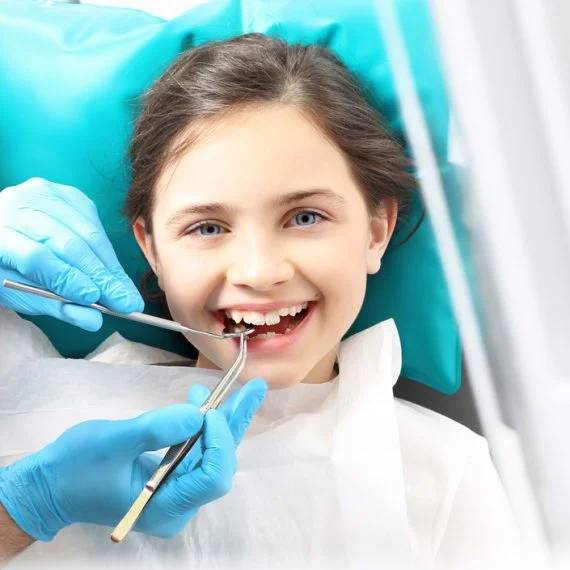
The application takes only a few minutes per tooth. First, we clean and dry the tooth. Next, we paint on the liquid sealant. Finally, a curing light hardens it in seconds. Furthermore, there is no drilling and no freezing, which makes the visit stress-free for anxious young patients.
Myth: “Sealants Are Just for Little Kids”
This is one of the most persistent myths we hear. Children benefit greatly because their newly erupted molars are most vulnerable to decay. However, teenagers and cavity-prone adults can also gain protection. According to the Canadian Dental Association, sealants are a proven preventive tool for teeth with deep grooves. Consequently, we assess each patient individually rather than relying on age alone.
How Dental Sealants Protect Growing Smiles
Sealants protect growing smiles by physically shielding the most decay-prone areas of developing teeth. Molars erupt around age six and again near age twelve, and their chewing surfaces are rugged with grooves. Additionally, young children are still mastering their brushing technique, so those grooves collect debris easily.
By sealing these surfaces early, we dramatically reduce the risk of the first cavity. This matters because a sealed tooth stays intact, avoiding the cycle of fillings and repairs that often follows early decay. Moreover, preventing cavities keeps dental visits positive, which builds lifelong comfort with oral care.
Sealants Work Best Alongside Other Preventive Care
Sealants are powerful, yet they are not a standalone solution. Instead, they work together with daily brushing, flossing, and professional cleanings. Many families combine sealants with fluoride treatments for layered protection. Notably, fluoride strengthens the smooth surfaces of teeth, while sealants defend the grooved surfaces. Together, they cover the whole tooth.
Busting Common Sealant Myths
Misinformation stops some parents from choosing this simple protection. Therefore, let us address the myths directly.
Myth: Sealants replace brushing. They do not. Sealants guard the chewing surfaces, but brushing and flossing still protect the sides and gumline. Consequently, good habits remain essential.
Myth: Applying sealants hurts. The process is completely painless. Because there is no drilling, most children barely notice it happened.
Myth: A sealed tooth can never decay. Sealants are highly effective, but they need monitoring. However, our team checks their condition at every routine exam and reapplies them if needed.
How Long Do Sealants Last?
Sealants commonly last several years before they need attention. Chewing wear and normal use can gradually thin them over time. Nevertheless, we inspect them during each checkup and touch them up quickly when necessary. This ongoing care keeps the protection reliable and continuous.
Preventive Dentistry at Williamsburg Dental Center
Our Kitchener team places real emphasis on stopping problems before they start. Beyond sealants, we offer fluoride treatments, thorough cleanings, and gentle exams tailored to each child. You can review our full range of preventive and family options on our services page. Additionally, we proudly accept the Canadian Dental Care Plan, which helps more families access care.
The Royal College of Dental Surgeons of Ontario sets the professional standards our clinic upholds. According to the RCDSO, preventive care is central to lasting oral health. Furthermore, our comfort-driven environment helps children feel calm, which makes every preventive visit smoother.
Frequently Asked Questions
At what age should my child get sealants?
Sealants are typically applied soon after the first permanent molars erupt, usually around age six. Additionally, the second set is often sealed near age twelve. However, we always evaluate each child’s teeth individually.
Are dental sealants safe?
Yes, sealants are considered safe and are widely recommended by Canadian dental authorities. The material bonds securely to the tooth and forms a stable barrier. Consequently, they have been trusted in preventive dentistry for decades.
Do sealants require special care?
No special routine is needed beyond good daily habits. Specifically, your child should keep brushing twice daily, flossing, and attending regular checkups. Furthermore, we monitor the sealants at each visit.
Can adults get dental sealants too?
Absolutely. Adults with deep grooves and no existing decay can benefit as well. Therefore, ask our team whether sealants suit your smile during your next appointment.
Protect Your Child’s Smile Today
Simple prevention now spares your family bigger treatments later. If you have questions about dental sealants in Kitchener, ON, our friendly team is ready to help. Contact Williamsburg Dental Center through our contact page to book a preventive visit and give your growing smile a strong start.
Sources & References
- Canadian Dental Association (CDA) — Dental Care for Children
- Royal College of Dental Surgeons of Ontario (RCDSO) — rcdso.org