Quick Answer
The bridge crown tooth decision depends on how much healthy structure remains and whether a tooth is missing entirely. A crown rebuilds and protects a single damaged tooth, while a bridge fills a visible gap by anchoring to neighbours. At Williamsburg Dental Center in Kitchener, ON, your dentist reads your X-rays, checks the root and bite, then recommends the most conservative option that restores both function and confidence.
A chipped, darkened, or cracked tooth does more than ache. It changes how freely you laugh in photos and how comfortably you speak across a boardroom table. The bridge crown tooth decision sits at the heart of restoring that confidence, because the right choice protects what remains while making your smile look whole again. Our dental team in Kitchener, ON approaches each case conservatively, saving natural structure wherever possible and reserving larger restorations for teeth that genuinely need them.
What the X-Ray Actually Tells Your Dentist
An X-ray reveals the story your eyes cannot see. Specifically, it shows the length and health of the root, the amount of bone support, and whether decay has crept beneath an old filling. Consequently, your dentist can tell the difference between a tooth that simply needs reinforcement and one that is beyond saving.
When the visible crown is broken but the root is sound, a dental crown usually wins. However, when the entire tooth is already gone, reinforcement is no longer the question. Instead, the focus shifts to filling the gap. This single image, therefore, often settles most of the debate before any treatment begins.
Signs that point toward a crown
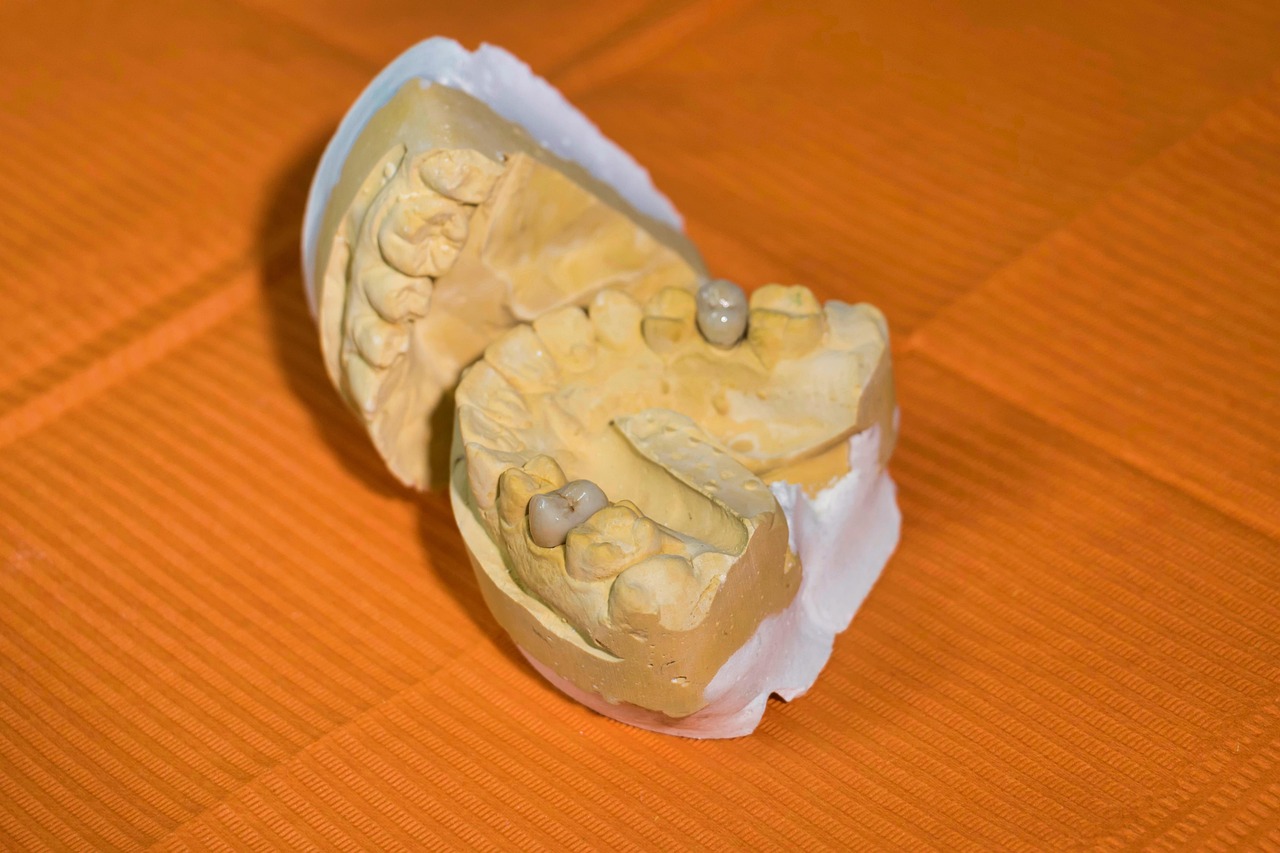
A crown caps and surrounds a tooth that is cracked, heavily filled, or weakened after root canal therapy. Furthermore, it restores a natural shape and shade, which matters enormously for front teeth that show when you smile. According to the Canadian Dental Association, crowns both strengthen a damaged tooth and improve its appearance. Because your own root stays in place, a crown is often the more conservative, confidence-restoring path.
Signs that point toward a bridge
A bridge becomes relevant once a tooth is actually missing. Specifically, it spans the empty space using crowns on the neighbouring teeth as anchors. Additionally, it prevents the surrounding teeth from drifting, which protects your bite over time. The Canadian Dental Association notes that a bridge can also help maintain the shape of your face and restore your ability to chew and speak clearly.
When the Bridge Crown Tooth Decision Leads Somewhere Else
Sometimes neither a crown nor a bridge is the ideal answer. For instance, a tooth with moderate decay but strong walls may only need a filling or a conservative inlay or onlay. These smaller restorations preserve far more enamel, which keeps your tooth stronger for the long term.
In other cases, a missing tooth is better replaced with a dental implant rather than a bridge, because an implant leaves the neighbouring teeth untouched. Consequently, your dentist weighs bone health, budget, and your aesthetic goals before recommending one route. For patients facing several failing teeth at once, a broader full mouth reconstruction plan may coordinate everything into a single, confidence-building result.
Materials matter for a natural look
Modern restorations blend beautifully with real enamel. Notably, a Cochrane systematic review on metal-free materials for fixed prosthodontic restorations examined tooth-coloured ceramic systems that avoid a dark metal margin. Additionally, research on dental luting materials highlights how the cement bonding a crown or bridge in place affects its long-term retention. Because of these advances, a well-crafted crown can be nearly invisible against your smile.
What to Expect at Your Kitchener Appointment
Your visit starts with a conversation about what bothers you, both functionally and cosmetically. Next, we capture digital images and examine your bite, gums, and existing fillings. Then we explain each option in plain language, including cost and longevity, so you can decide with full confidence.
Preparation for a crown or bridge typically involves gently shaping the tooth and taking an impression. Meanwhile, a temporary restoration protects the area until your custom piece is ready. Finally, we fit, adjust, and polish the restoration so it feels like it belongs. You can explore the details of our crowns and bridges service or review the full range of restorative dentistry options before you arrive.
Caring for Your Restoration
A crown or bridge lasts longest when the foundation beneath it stays healthy. Therefore, daily brushing, flossing, and routine cleanings remain essential, especially around bridge anchors where plaque loves to hide. Additionally, if you grind your teeth, a night guard protects your investment while you sleep. With consistent care, your restoration can serve you comfortably for many years.
Frequently Asked Questions
How do I know if my tooth needs a crown or a bridge?
If the tooth is cracked or weak but still present, a crown is usually recommended. However, if the tooth is already missing, a bridge or implant fills the gap. An X-ray and exam confirm which option fits your situation.
Is a crown better than a filling for a damaged tooth?
Not always. A filling or inlay suits smaller damage and preserves more enamel. A crown is better when a large portion of the tooth is cracked, worn, or weakened after root canal therapy.
Will a crown or bridge look natural?
Yes. Tooth-coloured ceramic restorations are matched to your surrounding teeth. Consequently, a well-made crown or bridge blends in and restores a confident, uniform smile.
How long do crowns and bridges last?
With good oral hygiene and regular checkups, many restorations last well over a decade. Protecting them from grinding and keeping the supporting gums healthy extends their lifespan further.
Ready to Restore Your Smile?
You do not have to guess which fix is right. Our Kitchener dental team will read your X-rays, explain your choices clearly, and recommend the most conservative path to a confident smile. Contact Williamsburg Dental Center today to book your consultation, with evening and Saturday appointments available for your convenience.
Sources & References
- Canadian Dental Association, “Crowns”
- Canadian Dental Association, “Bridges”
- Metal-free materials for fixed prosthodontic restorations (Cochrane Database Syst Rev, 2017)
- Update on Dental Luting Materials (Dent J, 2022)