
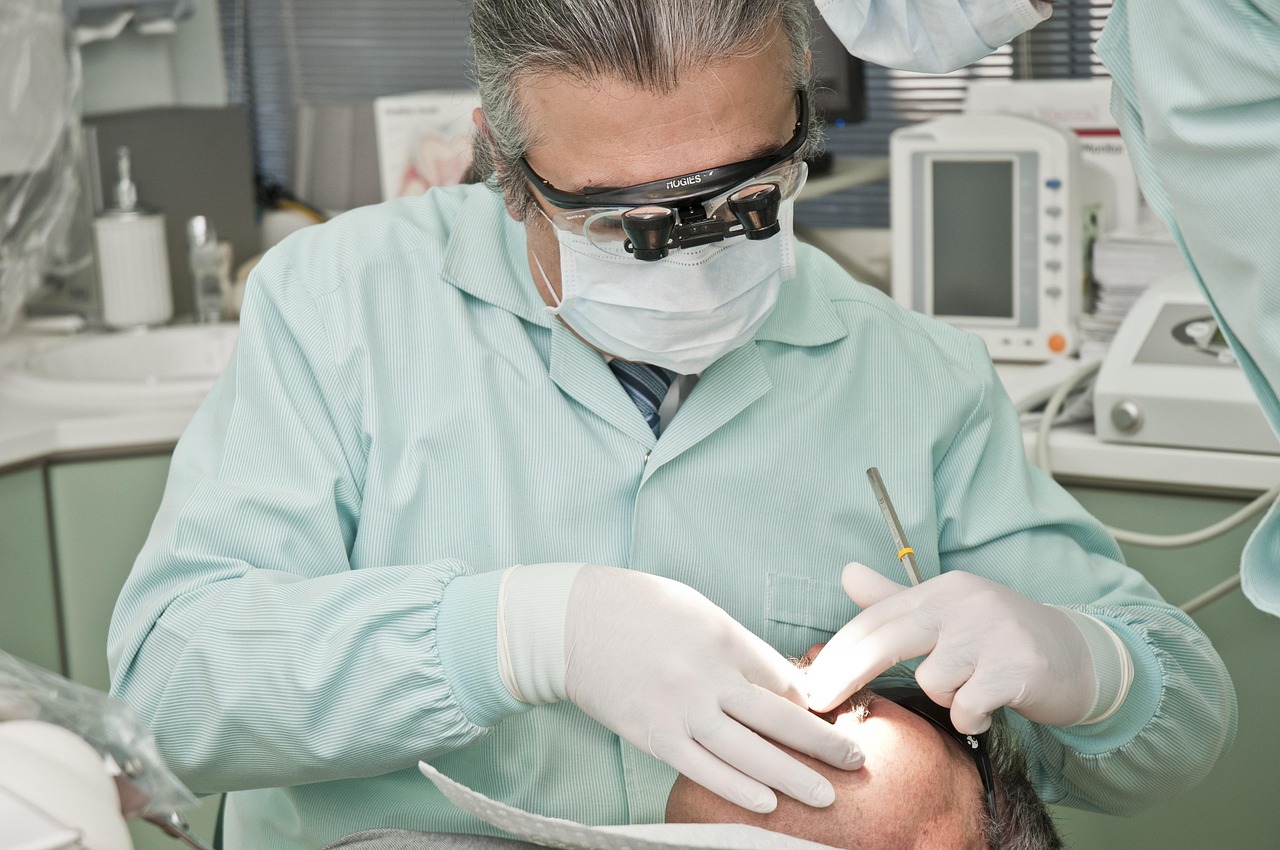
Quick Answer: No, dental sealants are not only for kids. Adults can get them too, as long as the tooth surfaces are healthy, free of fillings and at risk of decay. At Williamsburg Dental Center in Kitchener, a dentist checks your back teeth during a regular exam and tells you whether a sealant makes sense for you.
Most people link sealants with school-age children, and that makes sense. Still, dental sealants for adults are a real, practical option, and many Kitchener patients never hear about them. If your molars have deep grooves that trap food, or you keep getting new cavities despite good brushing, a thin protective coating may help. This post answers one common question honestly: can grown-ups benefit from sealants, or is the treatment really just for children?
Why Do People Think Sealants Are Only for Children?
The idea comes from how sealants are usually used. Specifically, dentists most often place them on children’s permanent molars soon after those teeth come in. A 2022 Cochrane review on sealants for preventing dental caries describes pit and fissure sealants as plastic materials that seal the deep pits and fissures on chewing surfaces. According to that review, these grooves are where decay occurs most often in children and adolescents.
However, the grooves don’t disappear on your eighteenth birthday. Adult molars keep the same anatomy. Consequently, if those pits stayed cavity-free through your teens, they can still collect plaque and bacteria today.
Can Adults Get Dental Sealants?
Yes. Adults can get sealants on any healthy tooth with deep pits or fissures. The procedure works the same way it does for children, because the goal is identical: to block bacteria and food debris from settling into hard-to-clean grooves.
The Ontario Dental Association lists sealants among its common dental procedures, and nothing about the treatment limits it to a certain age. In practice, the deciding factors are the condition of the tooth and your personal cavity risk, not the year you were born.
Adults Who Are Often Good Candidates
Sealants tend to suit adults whose back teeth are still unfilled. Additionally, your dentist may suggest them if you notice any of the following:
- Deep, narrow grooves on your molars or premolars that catch food.
- A recent history of new cavities, even with regular brushing and flossing.
- A dry mouth, which reduces the saliva that normally helps protect enamel.
- Orthodontic appliances or other factors that make cleaning harder.
When Sealants Are Not the Right Fit
On the other hand, sealants are not useful everywhere. A tooth that already has a large filling, a crown or an active cavity usually needs a different treatment. Similarly, very shallow grooves may not need sealing at all. In those cases, your dentist will talk about fillings, fluoride or simply better home care instead.
How Dental Sealants for Adults Are Placed in Kitchener
The appointment is quick and painless. In fact, most patients need no freezing and no drilling. At our Kitchener office, the visit generally follows these steps:
- Your dentist or hygienist cleans and dries the chewing surface.
- Next, they apply a mild conditioning solution so the sealant bonds well.
- They rinse and dry the tooth again.
- Then they paint the liquid sealant into the grooves.
- Finally, a curing light hardens the material in seconds.
You can eat and drink normally soon afterward. Furthermore, your bite should feel natural, and we check it before you leave. You can read more about the process on our dental sealants page.
What Does the Research Say About Sealing Adult Teeth?
Research on adults focuses on more than chewing surfaces. For example, a 3-year randomized clinical trial in the Journal of Dental Research studied infiltrating and sealing proximal caries lesions in adult patients. The researchers included adults with early lesions between teeth that showed on X-rays, and they compared infiltration with sealing to control caries progression.
In other words, dental researchers take sealing seriously as an adult treatment. Still, the right approach depends on where the weak spot is and how far it has progressed. That’s why we pair any sealant recommendation with a proper exam and, when needed, digital X-rays.
How Long Do Sealants Last on Adult Teeth?
Sealants can last several years with good care. However, chewing forces gradually wear them down, and adults who grind their teeth may see faster wear. Therefore, we check every sealant at your routine visits. If one chips or thins, we can usually touch it up quickly.
Sealants also work best as one part of a wider routine. Brushing with fluoride toothpaste, flossing daily and keeping up with professional cleanings all protect your enamel. Likewise, cutting back on frequent sugary snacks gives sealed and unsealed teeth a better chance.
Why Choose Williamsburg Dental Center for Preventive Care?
Our Kitchener team looks at prevention as a long-term plan, not a single appointment. We build personalized care plans, and we explain why a sealant does or doesn’t suit your teeth. Moreover, we offer weekday evening hours until 7:00 p.m. from Wednesday to Friday, plus Saturday appointments. We also accept the Canadian Dental Care Plan (CDCP), so eligible patients can ask our front desk about their coverage.
Frequently Asked Questions
Are dental sealants only for kids?
No. Adults can get sealants on healthy back teeth that have deep grooves and no fillings. Your dentist decides based on tooth condition and cavity risk.
Does getting a sealant hurt?
No. The process usually needs no freezing or drilling. Most patients feel nothing beyond the dentist painting the material onto the tooth.
Can a sealant go over an existing cavity?
Generally, an active cavity needs treatment first, often with a filling. Your dentist will examine the tooth and recommend the best option.
Will my insurance cover adult sealants?
Coverage varies by plan, and some plans limit sealants by age. Our team can help you check your benefits, including the CDCP.
Book a Sealant Consultation in Kitchener
If you’re wondering whether dental sealants for adults could protect your molars, the simplest step is a checkup. Our dentists will look at your teeth, review your cavity history and give you a clear answer. Contact Williamsburg Dental Center today to book your visit in Kitchener.
Sources & References
- Ontario Dental Association: Common Dental Procedures
- Sealants for preventing dental caries in primary teeth (Cochrane Database of Systematic Reviews, 2022)
- Infiltrating/sealing proximal caries lesions: a 3-year randomized clinical trial (Journal of Dental Research, 2012)