
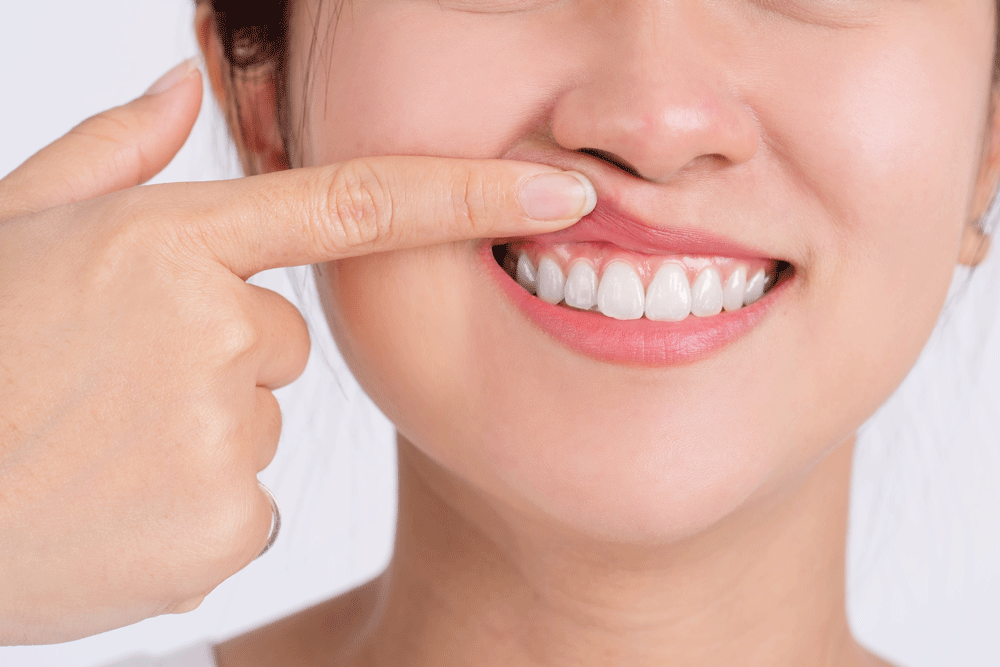
If your dentist has mentioned gum recession, you probably have questions. Many patients who ask us about gum grafts in Kitchener want to know three things: what the procedure actually is, whether they truly need it, and how much recovery will disrupt their week. At Williamsburg Dental Center, we hear these questions often. So this guide walks you through each stage, from the first assessment to the final follow-up visit.
What Is a Gum Graft?
A gum graft adds healthy tissue to an area where the gums have pulled back from the teeth. In other words, it rebuilds the protective collar of gum that should sit around each tooth. Dentists sometimes call this periodontal plastic surgery or root coverage.
Gum tissue does not grow back on its own once it recedes. Consequently, a graft is one of the few ways to restore lost coverage. The new tissue protects the root surface, reduces sensitivity and often improves the look of your smile.
The main types of grafts
Your dentist chooses the technique based on how much tissue you need and where it is needed. According to a state-of-the-art review of autogenous soft tissue grafting in the Journal of Periodontology, the two classic approaches are the free gingival graft and the connective tissue graft. Specifically, connective tissue grafts can be harvested from the palate or from the maxillary tuberosity, the area behind the last upper molar.
A connective tissue graft is commonly used to cover exposed roots. A free gingival graft, however, is often chosen to thicken thin gums that lack a firm band of attached tissue. During your consultation, we will explain which option suits your situation and why.
Do You Need a Gum Graft?
You may need a graft if recession has exposed part of a root or left the gum too thin to protect the tooth. Not every case of recession requires surgery, though. Small, stable areas can often be monitored instead.
Recession has several causes. A review on periodontal plastic surgery in Periodontology 2000 identifies toothbrushing trauma and bacterial plaque as the main, well-established causes. Additionally, clenching, misaligned teeth and thin natural gum tissue can make the problem worse.
Common signs that suggest a graft could help include:
- Teeth that look longer than they used to
- Sensitivity to cold, sweet foods or brushing near the gumline
- A visible notch or yellowish area where the root shows
- Recession that keeps progressing between checkups
Gum disease also plays a role. The Canadian Dental Association explains that untreated gum disease can damage the tissues and bone that support your teeth. Therefore, we always treat active infection first. That may mean scaling and root planing or other gum disease treatment before any graft is placed.
How gum grafts compare with other options
Grafting is not the only path. For mild recession, better brushing technique, a softer toothbrush and regular cleanings may be enough to stop further loss. Meanwhile, a night guard can reduce clenching forces if bruxism is contributing. When deep pockets are the main issue, pocket reduction surgery may be more appropriate. In short, the right choice depends on what caused the recession and how far it has progressed.
Before Your Gum Graft in Kitchener
Preparation starts with a thorough exam. First, we measure your gums with a small probe and record how much recession is present. Next, digital X-rays help us check the bone around the affected teeth.
We will also review your medical history and medications. For instance, blood thinners and certain health conditions can affect healing, so honest answers matter. If you smoke, we will likely suggest cutting back or quitting, since smoking slows gum healing.
On the day itself, eat a light meal beforehand. The area is numbed with local anaesthetic, so you should feel pressure rather than pain. Most single-site grafts take about an hour, although multiple teeth can take longer.
What Recovery After Gum Grafts Looks Like
Recovery is usually manageable, and most people go back to work within a day or two. That said, the first week requires some care.
The first few days
Mild swelling and tenderness are normal. If tissue came from your palate, that spot may feel sorer than the graft site itself. Over-the-counter pain relief and cold compresses usually help. Also, stick to soft, cool foods such as yogurt, eggs, pasta and smoothies.
The first two weeks
During this stage, the graft attaches to the surrounding tissue. As a result, you should avoid brushing or flossing the treated area until we say it is safe. We may give you a special rinse instead. Similarly, avoid crunchy, spicy or very hot foods, and do not pull your lip to look at the site.
The following weeks
Initial healing typically takes one to two weeks, but the tissue continues to mature for several weeks after that. Furthermore, the colour of the graft often blends in gradually. We schedule follow-up visits to check progress and remove any sutures if needed.
Complications are uncommon, yet they can happen with any surgical procedure. Call us if you notice heavy bleeding, increasing pain after day three, fever or a graft that appears to be loosening.
Long-Term Care for Your Gums
A graft lasts best when you protect it. Use a soft-bristled brush and gentle strokes. In addition, keep up with professional cleanings so plaque does not build up along the gumline. If clenching contributed to your recession, wearing a night guard helps protect your results.
Why Patients Choose Williamsburg Dental Center
Our Kitchener team offers periodontal care alongside general, restorative and cosmetic dentistry. Consequently, we can treat gum disease, place grafts and coordinate any restorative work under one roof. You can learn more on our gum grafts service page.
We also accept the Canadian Dental Care Plan (CDCP). Moreover, our evening hours from Wednesday to Friday until 7:00 pm, plus Saturday appointments, make it easier to fit treatment and follow-ups around work or school. Patients have given us a 5.0-star Google rating across 334 reviews, and we work hard to keep earning that trust.
Book a Gum Assessment in Kitchener
If your teeth feel sensitive or your gums look like they are pulling back, an early assessment gives you more options. Our dentists will explain what they see, whether a graft makes sense and what your recovery would involve. Contact Williamsburg Dental Center today to book your visit.
Frequently Asked Questions
Does a gum graft hurt?
The procedure itself is done with local anaesthetic, so most patients feel only pressure. Afterwards, expect some tenderness for a few days, especially at the palate if tissue was taken from there.
How long does it take to recover from a gum graft?
Most people return to normal activities within one or two days. Initial healing usually takes one to two weeks, and the tissue keeps maturing over the following weeks.
Can receding gums grow back without a graft?
No. Once gum tissue recedes, it does not regenerate on its own. However, good brushing habits and gum disease treatment can stop recession from getting worse.
Does the Canadian Dental Care Plan cover gum grafts?
Williamsburg Dental Center accepts the CDCP. Coverage depends on your eligibility and the specific procedure, so our team can help you review your benefits before treatment.
Sources & References
- Canadian Dental Association: Gum Disease
- Periodontal plastic surgery (Periodontology 2000, 2015)
- Autogenous soft tissue grafting for periodontal and peri-implant plastic surgical reconstruction (Journal of Periodontology, 2020)